
What is dyslexia?
Dyslexia, in pictures.
Dyslexia is a difference in how the brain works with words and sounds. It has nothing to do with how smart someone is. Here is what every parent should know.
18 facts every parent should know
What is dyslexia?
- The word was first used in 1884.
- It used to be called “congenital word-blindness.”
- It affects up to 20% of people.
- It is not related to IQ.
- It can be mild, or more severe.
What causes it?
- It often runs in families.
- A core cause is trouble hearing and working with the sounds in words (phonological processing).
- Usually, several things work together.
- There are different types of dyslexia.
What are the signs?
- Trouble with reading, spelling, and reading smoothly.
- Reading is often slow and takes a lot of effort.
- Spelling problems often last.
What happens in the brain?
- A dyslexic brain works differently from a typical reader’s brain.
- Some brain differences may come from reading less, rather than cause dyslexia.
- The brain can change and grow. That is called neuroplasticity, and it gives us hope.
Can it be overcome?
- Early help matters.
- Accommodations, like extra time, are helpful, but they are not the same as teaching.
- Children with dyslexia can succeed.
Dyslexia does not define a child’s future. With the right support, children with dyslexia can thrive.
Watch
Dyslexia, explained in a short video.
This animated video shows what happens in the brain when someone with dyslexia reads. It is a good one to watch together with your child.
What is dyslexia? — Kelli Sandman-Hurley, TED-Ed
Watch on YouTube (opens in a new tab)Inside the brain
Reading uses three parts of the brain.
When most people read, three areas on the left side of the brain work together. In many dyslexic readers, the two areas at the back are less active, so the brain leans on the front. That is why reading can feel slow and tiring.
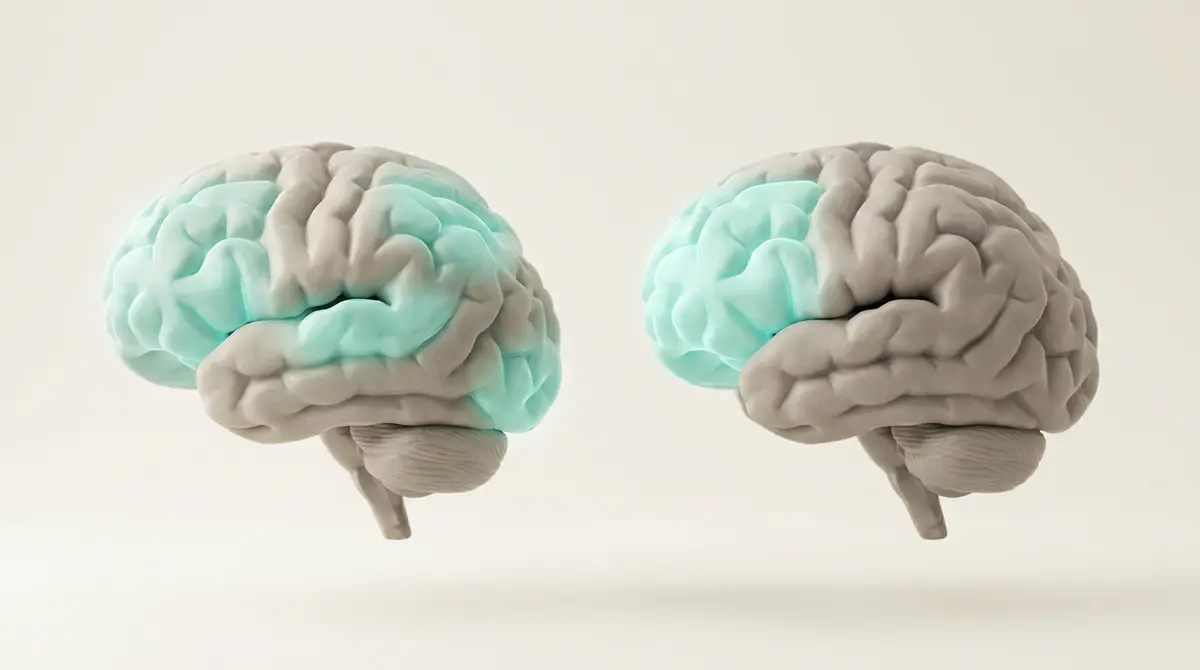
- Front
Broca’s area. Helps us say words and break them into sounds.
- Top back
Parieto-temporal area. Pulls words apart into their sounds.
- Lower back
Occipito-temporal area. Recognizes whole words at a glance.
Based on brain-imaging research such as Dr. Sally Shaywitz’s at Yale.

The dyslexia iceberg
People see the reading. They don’t see what’s underneath.
The struggles with words are only the tip. Below the surface, a child can be carrying a lot of feelings. This is why support has to care for the whole child.
What others see
- Decoding words
- Word reading
- Spelling
- Writing
- Vocabulary
- Accuracy
- Fluency
- Phonemic awareness
- Comprehension
What’s underneath
- Frustration
- Shame
- Stress
- Anxiety
- Confidence
- Self-esteem
- Negative self-talk
- Mindset
- Trust
- Behavior
- Friendships
- Isolation
- Depression
Adapted from The Dyslexia Classroom.
Common learning disabilities
1 in 5 children have a learning disability.
Dyslexia is one of three common learning disabilities. A child can have one, or more than one.
All three:
- Are brain-based learning disabilities.
- Can happen on their own or together.
- Can bring trouble with language, spelling, and handwriting.
Dyslexia
Reading
Trouble matching sounds to letters, hearing the sounds in words, and sounding words out.
Dysgraphia
Writing
Trouble with handwriting, or with putting thoughts into written words.
Dyscalculia
Math and numbers
Trouble with counting, putting things in order, or seeing number patterns.
Adapted from Literacy Learn Reading Services. Source: International Dyslexia Association.
Think your child might have dyslexia?
You don’t have to figure it out alone. We can help you understand what you’re seeing and what to do next.